


Overview
In order to supply hunting areas with game, animals must first be bred on what is known as a “game farm.” As an extension of this definition, the phrase includes facilities where game is bred for human consumption or for their aesthetic enjoyment, as on a safari.
The popularity of hunting farms, or game farms, is illustrated by the fact that they have spread throughout rural South Africa.
Legal changes in the 20th century allowed for the private ownership of wildlife in South Africa, paving the way for the proliferation and economic viability of game farms as opposed to conventional livestock farming.
From 3,500 in 1991 to over 10,000 now, South Africa is home to a wide variety of game ranches. While it may be a small country, trophy hunting is the country’s main source of income. According to its latest valuation, the trophy hunting industry is currently worth $1.5 billion.
The basics of hunting farm management are broadly two-fold, consisting of sound land management and good genetics.
Stockmanship management
While it’s true that game farming can be lucrative, it’s crucial to remember the fundamentals of stockmanship.
Whether you’re in the business of raising cattle, sheep, or game, you can always count on getting more money for top-quality animals with a documented history of success. Keep in mind that these animals are responsible for producing superior hunting horns.
All animals in a breeding herd need to have their own individual identification. Multiple options exist for accomplishing this.
It is also important to keep track of when calves are born, and a competent herder is essential for this. Infertile females are diagnosed before they have a chance to have their reproductive issues compounded.
An animal’s productivity is typically evaluated by charting the length of time over which its horn grows.
Knowing how to measure the horns of different species and understand the results is critical because horn growth is another important instrument for measuring performance.
When horn growth in animals like sable antelope slows down, the horn’s base hardens and secondary growth, or a post, forms at the point where the growth rings are fewer than 1 mm apart. Older animals tend to have more rounded posts.
A lot of breeders put caps on the horns of prized animals to keep the tips from becoming damaged. Bulls are influenced by testosterone, a hormone that causes them to become aggressive and battle each other or rub their horns on the ground or against trees.
Realizing the various aspects that affect the growth and development of the animals is crucial for achieving optimal performance in a breeding programme.
The highest levels of herd performance can be attained with the greatest possible genetics, the best possible nutrition, and the lowest possible levels of stress.
Land management
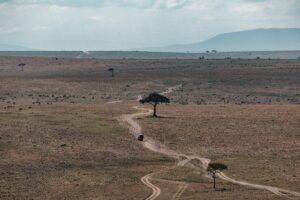
To foster more wildlife numbers for recreational hunting, the land should be appropriately managed.
Recreational hunting land is often sourced for the presence of a body of water, such as a river, stream, or pond. Habitat connectivity is improved by hardwood drains that lead to these water sources.
One such possibility is to strategically create a water source. Standing water can make antelope feel secure, and watering holes are an affordable way to attract them.
The majority of the management efforts for human consumption also serve to protect animals from the elements.
Forest management practises like tree thinning and understory grass and forb management create ideal habitats for a wide variety of wildlife. It is also possible to help wildlife by making grassy meadows for them to nest in and mate in.
Genetics management
An animal’s whole potential is written into its genes and passed down from both parents. Feed and supplements won’t help a bull reach 50 inches in height if he doesn’t have the genetics for it.
Selection criteria should heavily weight genetic potential for traits like conformation, horn length, fertility, disease resistance, etc. For this reason, it is crucial to preserve accurate records and maintain a solid pedigree in order to establish the hereditary stability of particular qualities.
Both sexes contribute equally to an animal’s genes, and the importance of the maternal line should not be discounted. It’s fascinating that the phenotypic of a buffalo cow and her offspring sometimes coincides in outward appearance. It is often much simpler to reach goals by selecting select cows and bulls according to the same criteria.
That said, the propensity for specific criteria is undoubtedly carried in certain breeding lines, so it is important for hunting farm managers to make sure that any breeding bulls they are considering have a confirmed ancestry with the major characteristics they are seeking.
Remember to visit www.hunt24.co.za for more information on reputable hunting farms.

